South Indian Weddings
Kashi Yatra
According to the Vedas, the ancient Hindu scriptures, a manβs life is divided into four stages: Brahmacharya (Bachelor period), Grihastha (Householder period), Vanaprastha (Retirement period), and Sanyasa (Renunciation period).
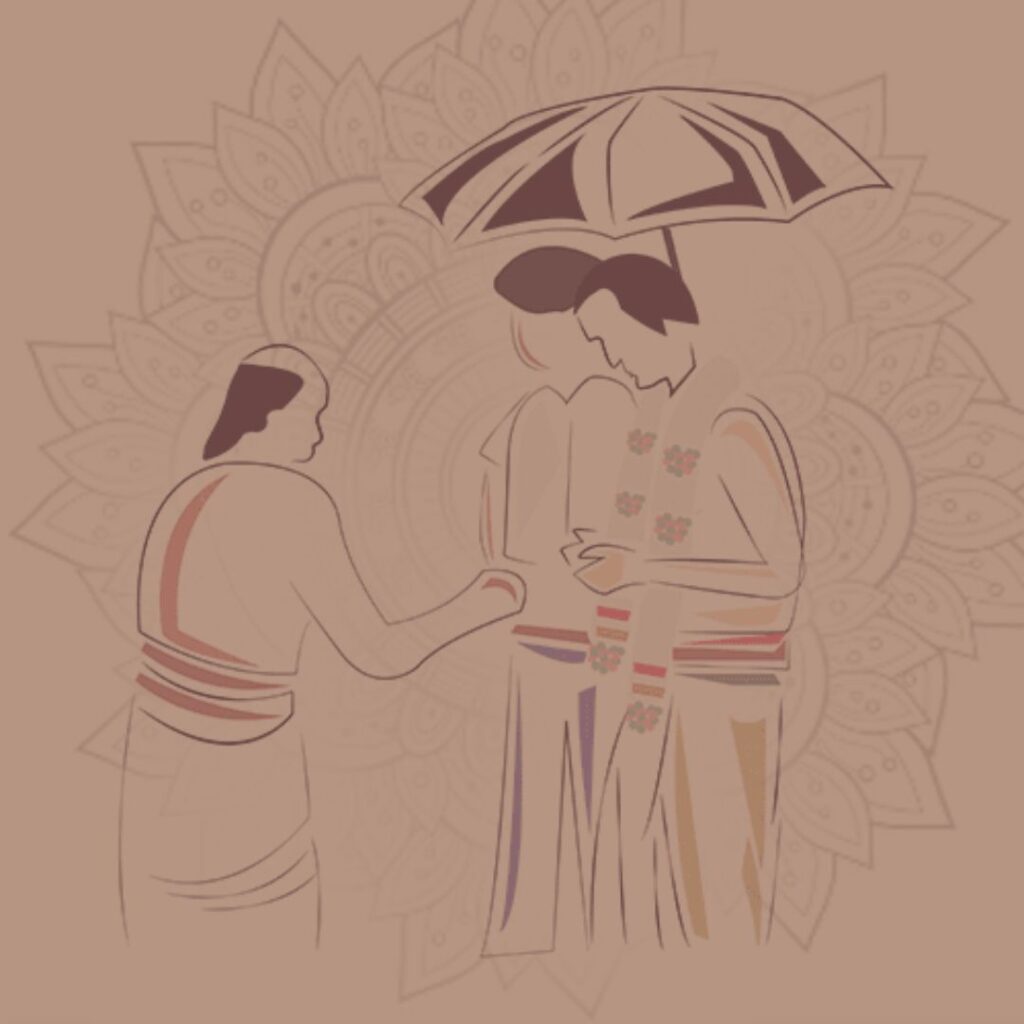
Kashi Yatra, the Brahmin wedding ritual, marks the phase of a man transitioning from a Bachelorβs life to the life of a Householder. In this tradition, the groom claims to leave all his worldly pleasures and embark on a spiritual journey to the Himalayas (Kashi), and the brideβs father intervenes and persuades him to reconsider his decision. This is one of the first rituals performed on the day of the wedding, and a great ice-breaker as all the family members participate in this dramatic ordeal.

GANESHA POOJA
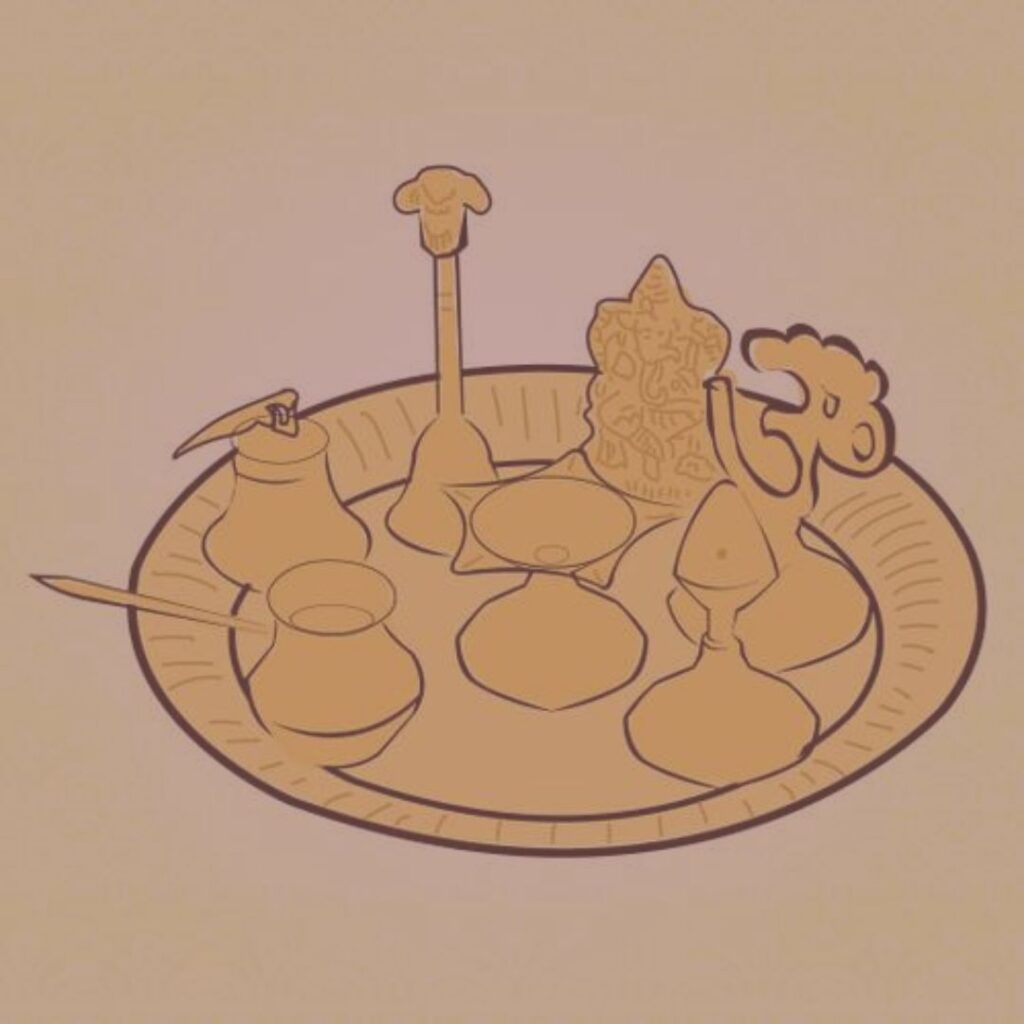
Ganesha Pooja is the first thing that takes place in the mandap. The groom has to take part in the same. This pooja is performed so that the wedding goes well without any hindrances as well as for a happy and prosperous married life. The bride performs the Gauri puja, seeking her blessings. Her maternal uncle then brings her to the stage. In some communities, she is seated in a straw basket and carried onto the mandapam.

GAURI POOJA
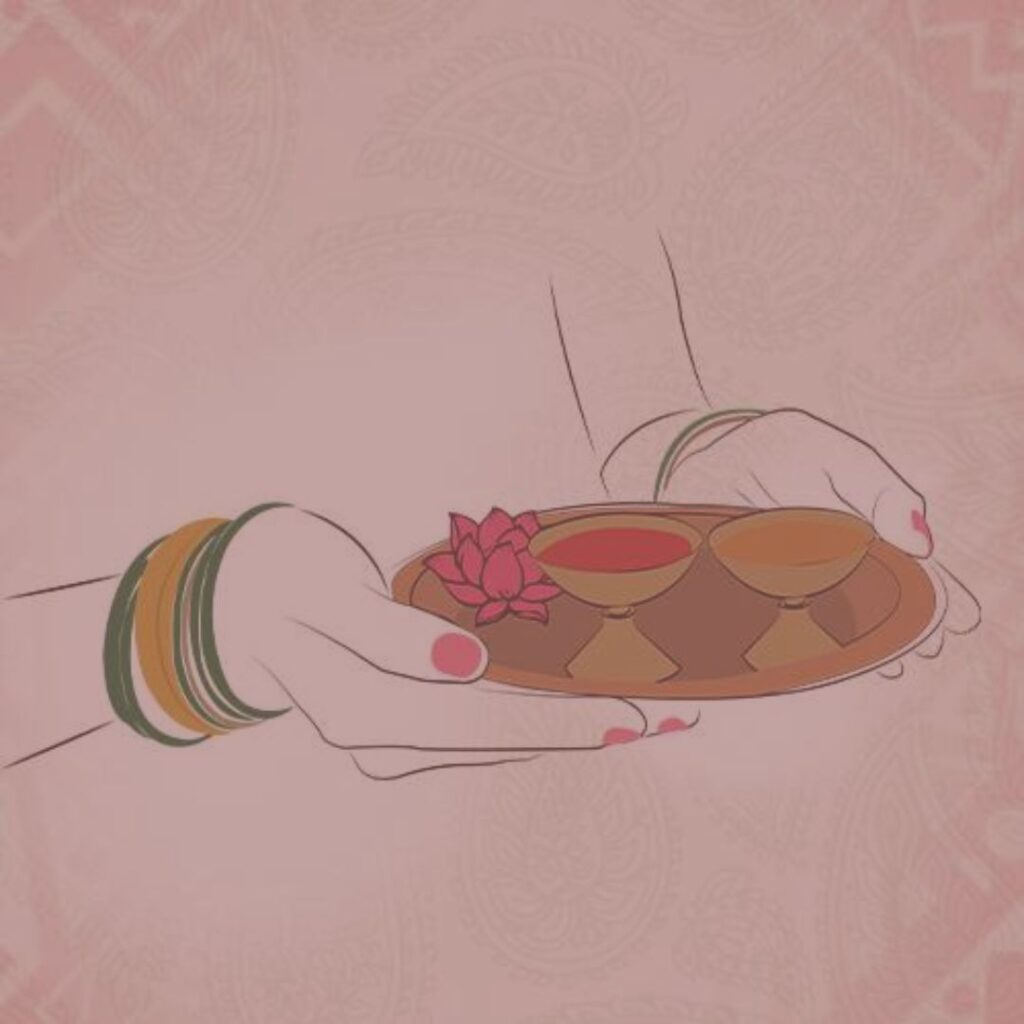
Goddess Gowri is the most powerful mother of the universe, and she symbolises purity, motherhood, fertility, and goodness. Gowri Pooja is performed by the bride on the wedding day to seek the blessings of Goddess Gowri for a happy married life. Goddess Gowri is the wife of Lord Shiva and she epitomises love, beauty, fertility, marriage, children, devotion, power and divine strength. The bride takes inspiration from Goddess Gowri and prays for similar strength and divine love in her life, free of obstacles. The bride offers prayers to Goddess Gowri during the Gowri Pooja aarti and seeks her blessings for a peaceful, prosperous and long married life. Β

KANYADANAM AND PANIGRAHANAM
The ceremony known as kanyadanam is where the brideβs parents formally send their daughter to the groom. The brideβs parents wash the groomβs feet while they are still separated by the terasala. This rite serves as a symbol. The bride is a representation of the Goddess Laxmi, and the groom is Lord Vishu, who will shortly wed her.

JELLAKARA-BELLAM
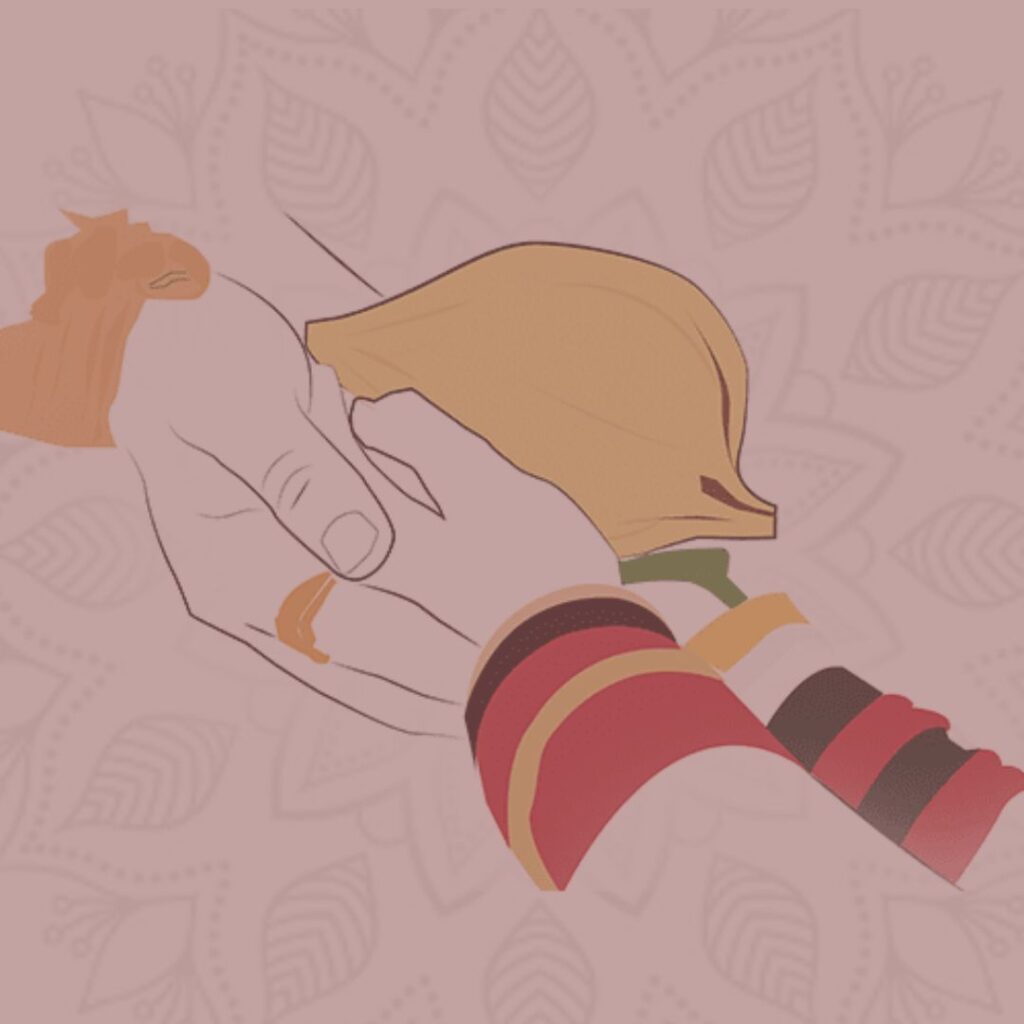
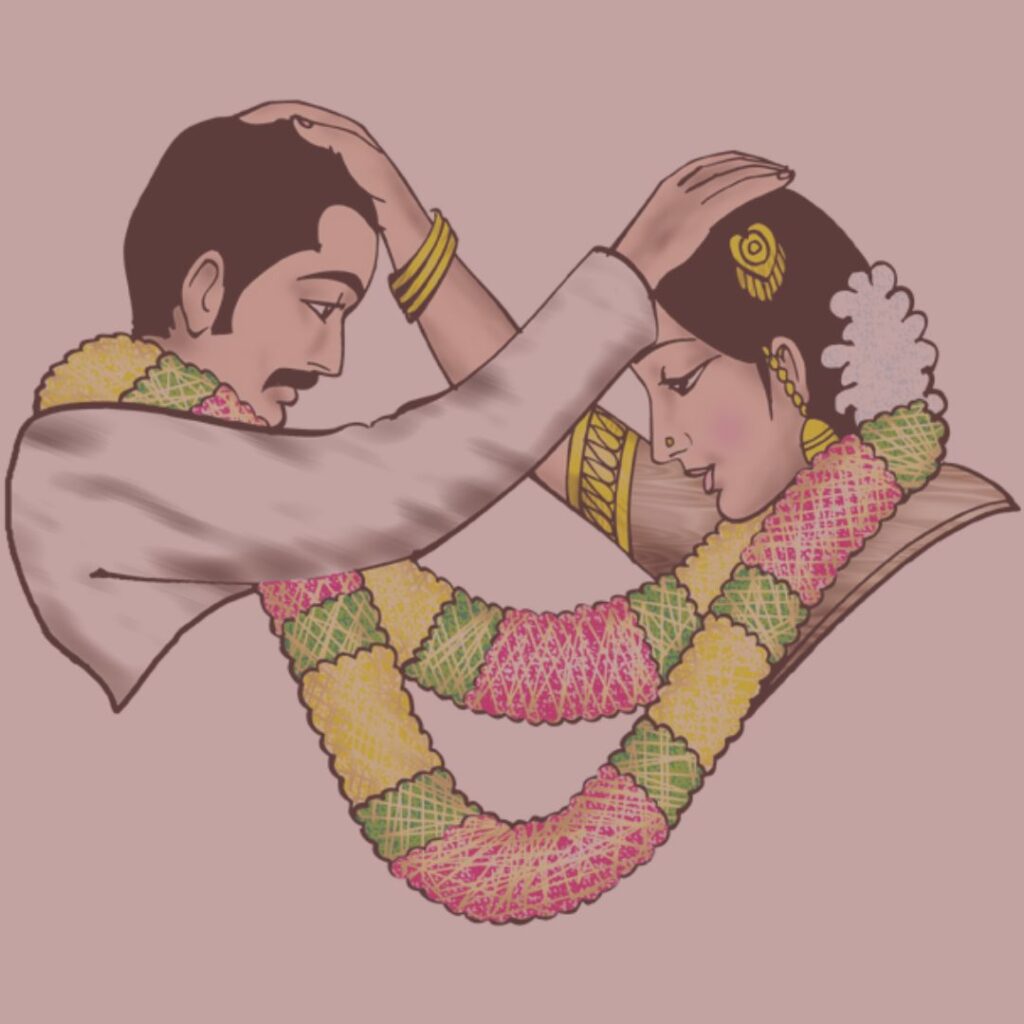
This is a major Hindu Telugu wedding event. The words βJeelakaraβ and βBellamβ both refer to cumin. Giving the coupleβs hands a paste made of cumin and jaggery to start the procedure. The pair applies this paste to each otherβs heads during an auspicious period, or Sumuhurtham, while raising their hands above the curtain. The moment the curtain between them is drawn is the moment the pair becomes legally married.
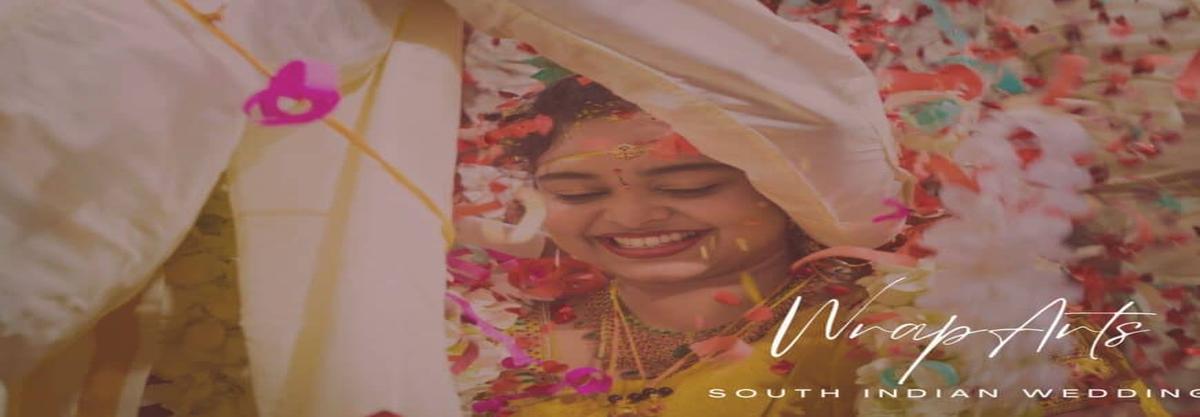
This ritualβs significance lies in the promise that the participants will be as inseparable in body, mind, and soul as pounded cumin and jaggery. The bride and groom are covered in akshintalu (turmeric rice), which is sprinkled by elders and other family members and guests.

MANGALSUTRAM
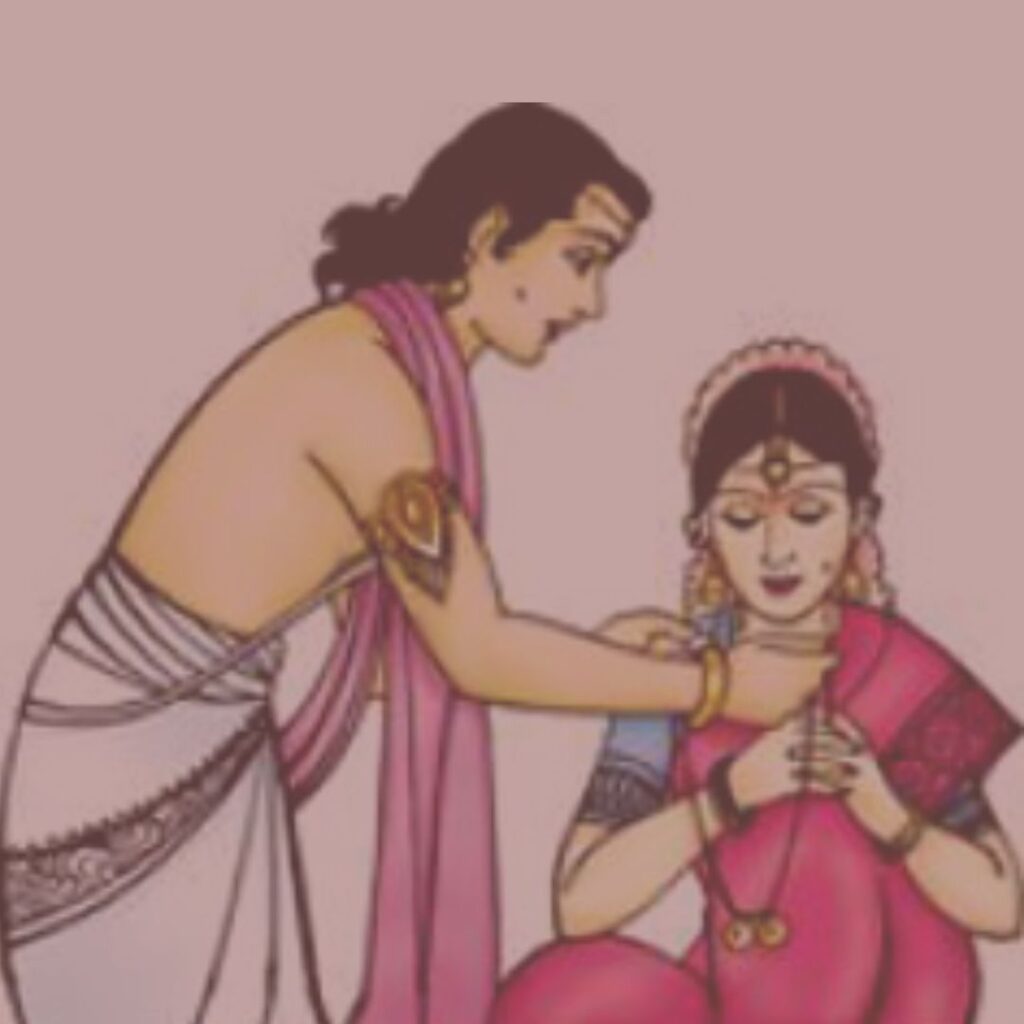
Hindu marriages place a great deal of significance on the mangalsutra. A holy yellow thread called a mangalsutra is covered in turmeric. Two gold βSutraluβ pendants that are knotted by the groom in three knots around the brideβs neck when he performs the βsannai mellamβ are attached.
Each of the three knotsβone for Manasa (thoughts), Vacha (speech), and Karmana (action)βis tied by the groom. This specific rite also denotes the physical, mental, and spiritual union of the two souls. On the sixteenth day following the wedding, the yellow thread is switched out for a gold chain.

PRADHANAM
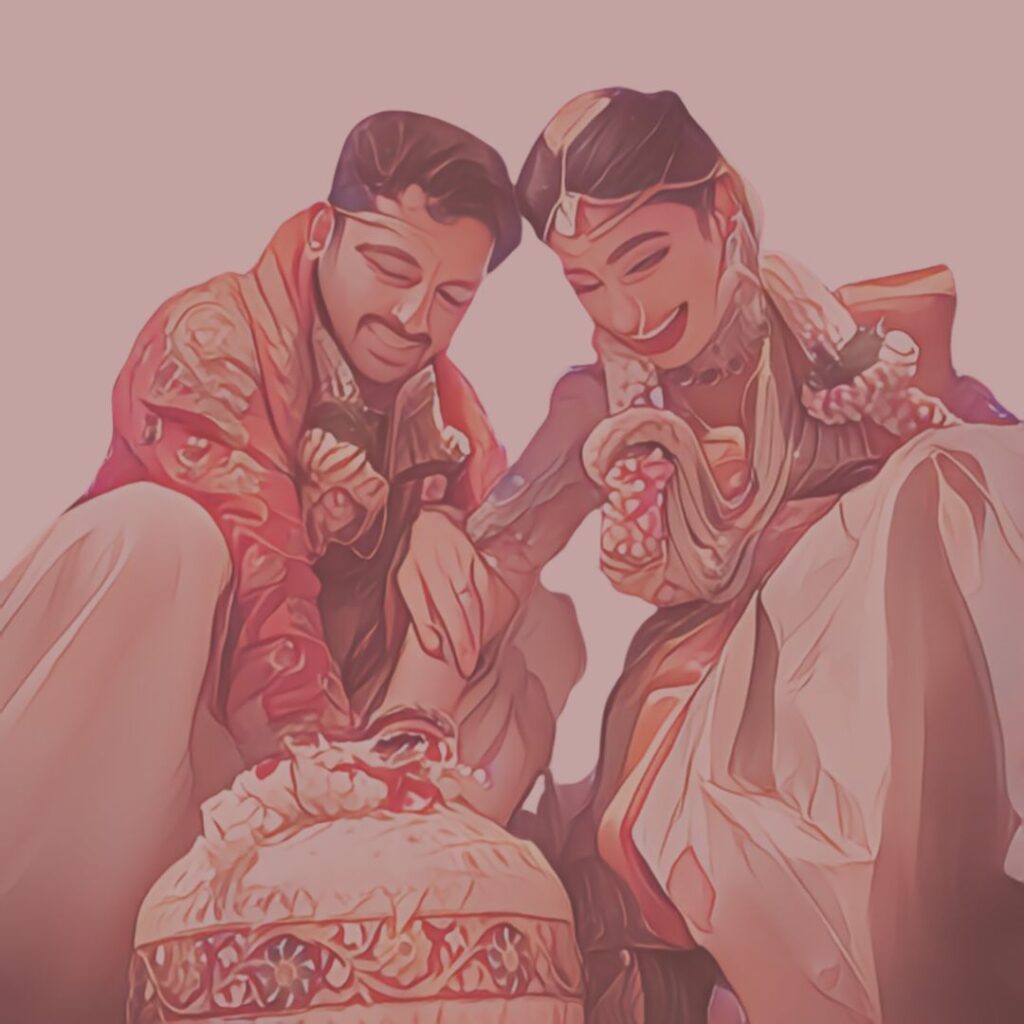
Another icebreaker, not just for the couple but also for the family, is provided by this. A gold ring is thrown into a kettle of turmeric water for this game. To locate the ring, the bride and groom extended their right arms. The winner is the first person to find the ring twice out of three.
One gold and one silver ring can be added to the game to add intrigue, and the winner is the player who discovers the gold ring twice. The game shows who will have the upper hand in the marriageβthe bride or the groomβand promotes healthy competitiveness.