

The Complete Vastu Guide To Diwali: Diya, Sweets Tray & Lakshmi Idol Placement
A room-by-room Vastu guide for Diwali puja — with the diyas, deepams, and pooja essentials to set it up right.
Why Direction Matters More At Diwali Than Any Other Day
Diwali is the one night of the year when Goddess Lakshmi is believed to visit homes that are clean, lit, and correctly arranged to receive her. Vastu Shastra treats the home as a map of energy zones — each direction governs a different force (wealth, health, relationships, growth) — so where you place the diya, the idol, and even the sweets tray isn't just decorative, it's directional.
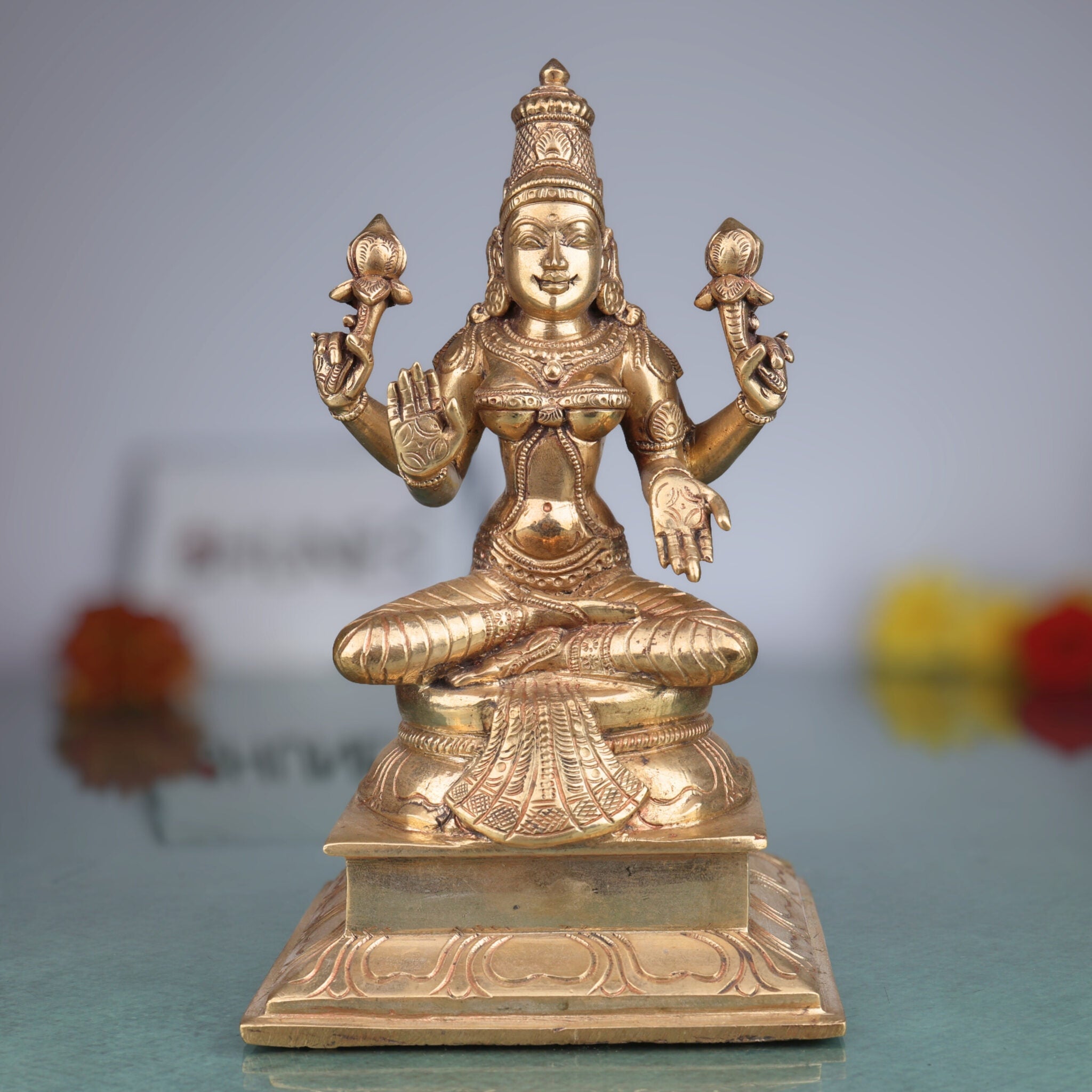
This is exactly why "Vastu for Diwali pooja," "which direction to keep Lakshmi idol," and "correct diya placement" spike so heavily in the three weeks before the festival — people want to get this right before the one night it's believed to matter most. Below is a practical, room-by-room breakdown, along with the pooja pieces that make it easy to follow.
Where To Place The Lakshmi-Ganesh Idol
The most widely followed convention: place the Lakshmi-Ganesh idol facing west, so that you, the devotee, face east while performing puja — east is considered the direction of the rising sun and new beginnings. The idol itself should sit in the northeast (Ishaan) corner of the home or pooja room, which Vastu identifies as the zone of purity and divine energy.
-
Keep the idol on a raised platform or a clean wooden/marble surface, never directly on the floor.
-
Avoid placing the idol under a beam or inside a cupboard — open, elevated placement lets the energy of the space flow freely around it.
-
The pooja area itself should ideally be in the northeast of the house; if that's not possible, east or north are the next-best zones.
Where To Place The Diya
The diya is the single most important object on Diwali night — it's lit to invite Lakshmi in and to dispel darkness, both literal and symbolic. Vastu is specific about where different diyas go:
-
Main entrance: place a pair of diyas on either side of the front door, facing outward — this is believed to welcome prosperity into the home and is the most important placement of the night.
-
Pooja room / altar: light diyas facing east or west; avoid a south-facing diya near the main altar, as south is traditionally associated with Yama (the direction of endings, not beginnings).
-
Tulsi plant / courtyard: a diya here is considered auspicious for the whole household's wellbeing.
-
Kitchen (northeast or southeast corner): a small diya invites abundance into the space that sustains the home.
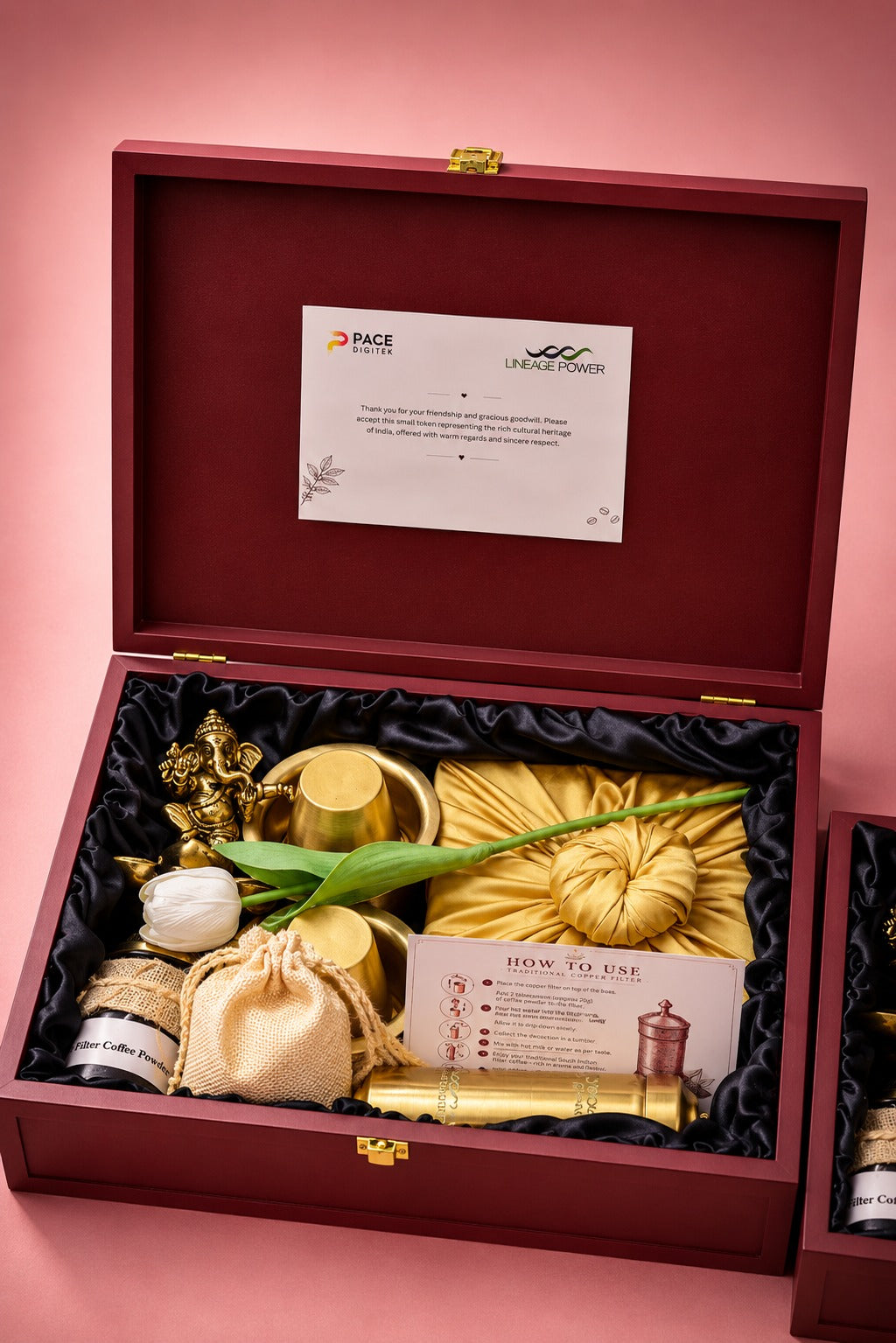
For the main door and altar, a weighted, elegant diya holder makes a visible difference — both in how the flame sits and in how the space photographs for the night. WrapArts' Divine collection has two styles built specifically for this:
→ Handcrafted White Marble Tea Light Diya Holder — Set of 2: https://www.wraparts.in/products/handcrafted-white-marble-tea-light-diya-holder-set-of-2
→ Traditional Kerala Brass Deepam Pair (25 x 10 cm): https://www.wraparts.in/products/traditional-kerala-brass-deepam-pair-25-x-10-cm
→ Rangoli Lotus Diyas for Home Décor — Set of 2: https://www.wraparts.in/products/rangoli-lotus-diyas-for-home-decor-set-of-2
Where To Place The Sweets (Naivedya) Tray
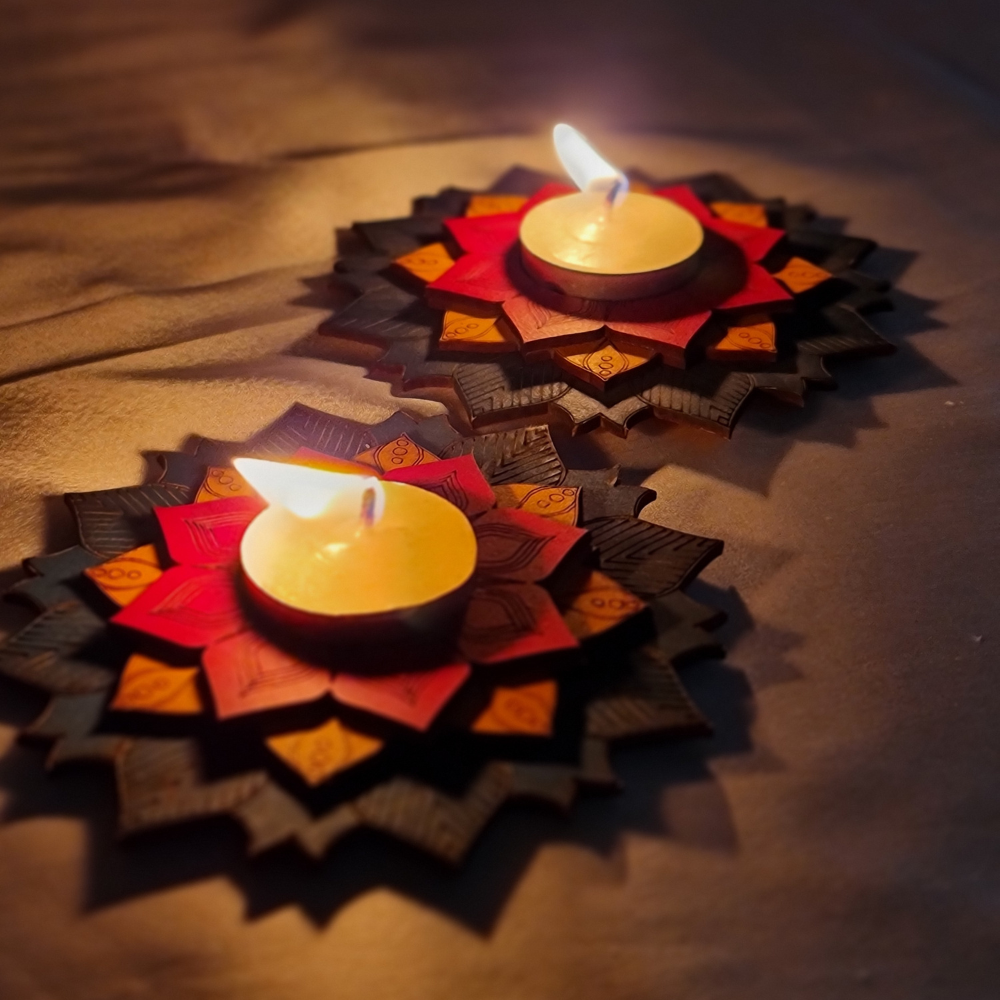
Once the diya and idol are placed, the prasad or sweets tray goes to the east of the idol, within easy reach for offering — never behind the deity, and never on the bare floor. A tray with a lid is considered practical as well as respectful, keeping the offering clean and protected from dust or drafts through the puja.
→ Luxury Wooden Display Tray with Acrylic Plexiglass Lid & Gold Handles: https://www.wraparts.in/products/luxury-wooden-display-tray-with-acrylic-plexiglass-lid-gold-handles
→ Acrylic & Natural Wood Frame Serving Tray, Set of 2: https://www.wraparts.in/products/acrylic-natural-wood-frame-serving-tray-set-of-2
For dry fruits and mithai specifically — a Diwali staple offering — a dedicated pooja box keeps everything organised in one place on the altar:
→ Divine Maha Vishnu Pooja Dry Fruit Box with 3 Jars: https://www.wraparts.in/products/divine-maha-vishnu-pooja-dry-fruit-box-with-3-jars
→ Pink Dry Fruit Gift Box — Festive Hamper: https://www.wraparts.in/products/pink-dry-fruit-gift-box-festive-hamper

Rangoli, Candles & The Rest Of The Room
Vastu extends beyond the altar — the room around it matters too. A rangoli at the threshold (drawn or placed) is believed to attract Lakshmi's attention as she enters; candles and tea lights placed around the northeast and east walls extend the same welcoming energy through the rest of the home.
→ Festive Holly Leaf Tea Light Holder, Set of 4: https://www.wraparts.in/products/festive-holly-leaf-tea-light-set-of-4
→ Elegant Glass Candle Holders, Set of 2: https://www.wraparts.in/products/elegant-glass-candle-holders-set-of-2
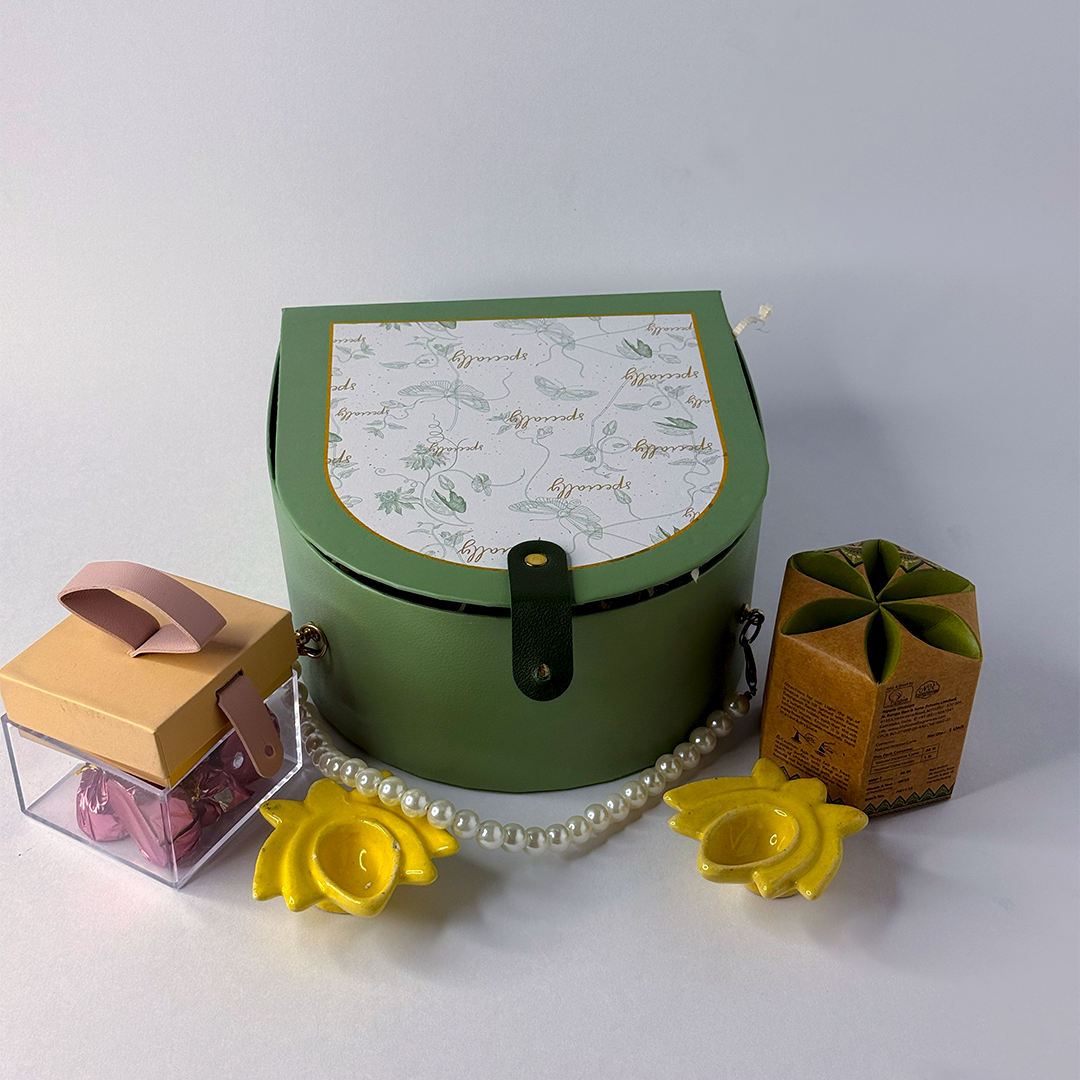
For a housewarming-style Diwali gift or a complete brass pooja set to gift extended family, these two hampers from the same collection cover the full setup in one box:
→ Divine Brass Gift Hamper — Traditional Housewarming Set: https://www.wraparts.in/products/divine-brass-gift-hamper-traditional-housewarming-set
→ Eco-Friendly Green Festive Gift Hamper: https://www.wraparts.in/products/eco-friendly-green-festive-gift-hamper
→ Browse the full Divine collection: https://www.wraparts.in/collections/divine
Common Vastu Mistakes To Avoid This Diwali
-
Placing the Lakshmi idol facing south — this direction is traditionally avoided for deity placement.
-
Keeping the diya directly on the floor without a holder or plate underneath — always use a raised base.
-
Cluttering the northeast corner with storage or unrelated items in the days before Diwali — Vastu treats this zone as sacred and asks that it stay clear.
-
Using a broken or chipped diya — always light with a fresh, undamaged diya on Diwali night.
-
Placing the sweets tray behind the idol instead of to its east, where it should be offered from.
Vastu Mantras To Chant During Diwali Puja
Vastu placement sets the space; the mantras are what's traditionally chanted once everything is in position, to invoke Ganesha first (to remove obstacles) and then Lakshmi (to invite prosperity).
1. Ganesh Mantra — chanted first, before any other puja begins
ॐ गं गणपतये नमः
Om Gan Ganapataye Namah
No puja in Hindu tradition begins without invoking Ganesha to clear obstacles — this is recited while offering flowers or akshat (rice) to the Ganesha idol, before the Lakshmi puja starts.
2. Lakshmi Beej Mantra — the core Diwali mantra
ॐ श्रीं महालक्ष्म्यै नमः
Om Shreem Mahalakshmyai Namah
Traditionally chanted 108 times using a mala while facing the lit diya and the Lakshmi idol — this is considered the single most important mantra of Diwali night, invoking wealth and abundance directly.
3. Lakshmi Gayatri Mantra — for the full puja
ॐ श्री महालक्ष्म्यै च विद्महे विष्णु पत्न्यै च धीमहि तन्नो लक्ष्मी प्रचोदयात् ॐ
Om Shree Mahalakshmyai Cha Vidmahe Vishnu Patnyai Cha Dheemahi Tanno Lakshmi Prachodayat Om
Meaning: "Om, let us meditate on Shri Mahalakshmi, the consort of Lord Vishnu. May Goddess Lakshmi enlighten us." Suited for the main aarti portion of the puja.
4. Mahalakshmi Aarti — sung at the end, with the lit diya circled before the idol
ॐ जय लक्ष्मी माता, मैया जय लक्ष्मी माता।
तुमको निशदिन सेवत, हरि विष्णु विधाता॥
Om Jai Lakshmi Mata, Maiya Jai Lakshmi Mata / Tumako Nishidin Sevat, Hari Vishnu Vidhata
This is the closing aarti of Lakshmi Puja, sung while the lit diya (or a small aarti lamp) is circled clockwise in front of the idol — the moment most families treat as the heart of the evening.
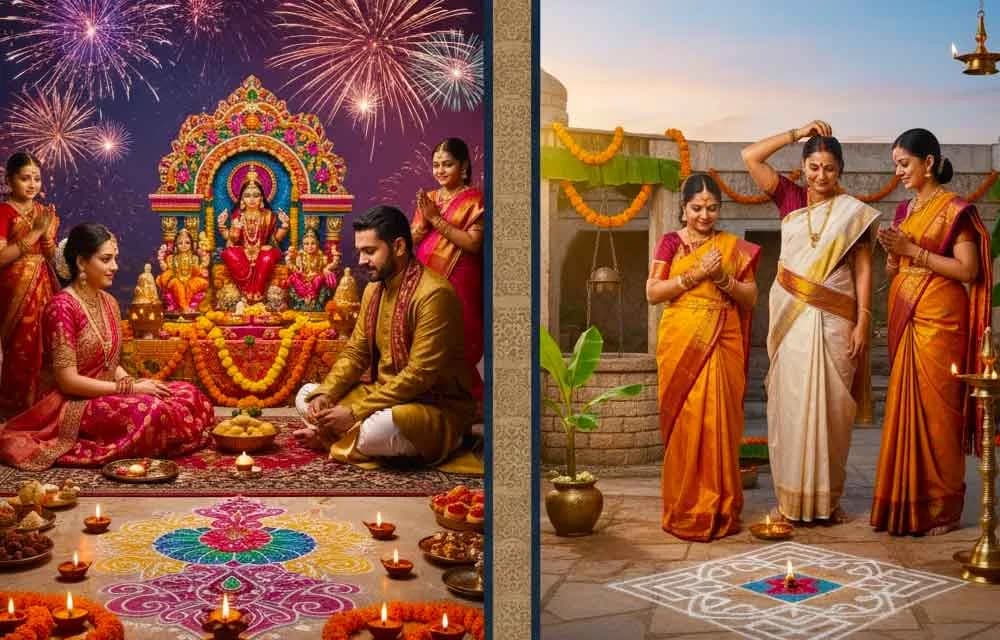
How Diwali Rituals Differ: North India vs South India
Vastu principles — direction, placement, cleanliness — hold across the country, but the day's rituals themselves vary sharply by region. Knowing both helps set the right tone for a home that follows either tradition, or blends the two.
North Indian Diwali Rituals
-
Centres on Lord Rama's return to Ayodhya after 14 years of exile — diyas are lit to guide him home, which is the origin of the festival's name (a row of lights).
-
Lakshmi Puja is performed on the main Diwali night (Amavasya), usually in the evening, worshipping Lakshmi, Ganesha, Saraswati, and Kubera together for wealth, wisdom, and prosperity.
-
Govardhan Puja follows the next day, especially among trading and business families — it also traditionally marks the opening of a new financial year and account books (Chopda Pujan).
-
The five-day cycle closes with Bhai Dooj, celebrating the sibling bond between brothers and sisters.
-
In Bengal and Odisha, this same new-moon night is observed as Kali Puja rather than Lakshmi Puja, honouring the fierce form of the goddess instead.
South Indian Diwali Rituals
-
Centres on Lord Krishna's victory over the demon Narakasura, and is called Deepavali rather than Diwali in most South Indian households.
-
The main ritual falls a day earlier, on Naraka Chaturdashi, not on the main Diwali night — families wake before sunrise for a ceremonial oil bath (elders apply sesame or gingelly oil to the head before bathing), symbolising purification.
-
In Tamil Nadu and Andhra Pradesh, kolam (rice-flour rangoli) is drawn at the entrance instead of the coloured powder rangoli more common up north.
-
Firecrackers are traditionally burst right after the oil bath, at dawn, rather than in the evening.
-
The festival is typically a shorter, one- to two-day observance in the South, compared to the five-day cycle followed in the North.
For a home that observes South Indian rituals, a brass diya and traditional deepam are especially significant — they're lit before the oil bath and kept burning through the day, which is why a sturdy, tarnish-resistant brass pair matters more than a decorative one:
→ Traditional Kerala Brass Deepam Pair (25 x 10 cm): https://www.wraparts.in/products/traditional-kerala-brass-deepam-pair-25-x-10-cm
FAQs
Which direction should the Lakshmi idol face during Diwali pooja?
The idol should typically face west, so the person performing puja faces east. The idol itself is best placed in the northeast (Ishaan) corner of the home.
Where should the diya be placed on Diwali night?
A pair of diyas at the main entrance, facing outward, is considered the most important placement — followed by diyas near the pooja altar (facing east or west) and the tulsi plant or courtyard.
Can the diya face south?
This is traditionally avoided near the main altar, as south is associated with Yama in Vastu. East- or west-facing placement is preferred.
Where should the Diwali sweets or prasad tray be kept?
To the east of the idol, within easy reach for offering — ideally on a raised, covered tray rather than directly on the floor.
What if my pooja room isn't in the northeast of the house?
East or north are considered the next-best directions. What matters most is that the space stays clean, clutter-free, and well-lit through the festival.
What is the most important mantra to chant during Diwali puja?
The Lakshmi Beej Mantra — Om Shreem Mahalakshmyai Namah — is considered the core mantra of Diwali night, traditionally chanted 108 times facing the lit diya and idol, after first invoking Ganesha.
What is the difference between Diwali in North India and South India?
North India centres on Lord Rama's return to Ayodhya, with Lakshmi Puja on the main night and a five-day cycle ending in Bhai Dooj. South India (Deepavali) centres on Krishna's victory over Narakasura, marked by a pre-dawn oil bath on Naraka Chaturdashi, a day before the main Diwali night.
Which mantra should be chanted while lighting the Diwali diya?
"Shubham Karoti Kalyanam" is traditionally recited the moment the main diya is lit, followed by the Ganesh mantra and then the Mahalakshmi mantra (Om Shreem Mahalakshmiyei Namah) during the main puja.
How is South Indian Diwali different from North Indian Diwali?
South India centres the festival on a pre-dawn oil bath and Naraka Chaturdashi as a single main day, while North India observes a five-day sequence from Dhanteras to Bhai Dooj, with the main Lakshmi puja held in the evening.
Visit Us In Bengaluru
Want to see brass deepams, marble diya holders, and pooja trays in person before Diwali? Both WrapArts locations are open for walk-ins.
Store & Showroom — Sahakar Nagar
No 844, 17th Cross, A Block, Sahakar Nagar, Bengaluru, Karnataka 560092
Phone: +91 98804 83232
→ Get directions on Google Maps: https://share.google/07UGh2YMNGs20fgxW
Corporate Office & Workshop — Hebbal Kempapura
Khata No: 5, 5C, 6, 7, 26, 28, 29 & 30, 1st Main Road, Landmark: behind Esteem Mall, Chiranjeevi Layout, Hebbal Kempapura, Bengaluru, Karnataka 560024
Phone: 089046 02332
→ Get directions on Google Maps: https://share.google/y7ntmR1QwjhZStCbh
Related Posts

How To Style A Diwali Mithai Tray That Doesn't Look Store-Bought

Cast Iron Pan Care Guide

7 Wardrobe Storage Ideas to Maximize Space & Reduce Clutter

Ultimate Valentine's Day 2026 Love Playlist: Bollywood, South Indian & Hollywood Songs for Your Special Someone

50+ Positive Valentine's Day Quotes for Friends: Celebrate Friendship This February

20+ Pongal Kolam Designs Trending in 2026: Traditional & Modern Rangoli Patterns
