

Cast Iron Pan Care Guide
Everyday Tips + Easy Recipes to Try at Home
Cast iron cookware is one of the oldest kitchen tools that just refuses to go out of style — and for good reason. It's naturally non-stick once seasoned, builds incredible heat retention, gets better with age, and can genuinely last for generations with the right care.
Whether you've just picked up a pre-seasoned cast iron pan from WrapArts or you've inherited one from your grandmother's kitchen, this guide covers everything you need to know — daily care habits, seasoning, cleaning, storage, common mistakes, and a few simple recipes that taste best when made in cast iron.
Why Cast Iron Deserves a Spot in Your Kitchen
Unlike non-stick pans that wear out and need replacing every couple of years, cast iron is a one-time investment that only improves with use. A well-seasoned pan develops a natural non-stick layer, distributes heat evenly across the surface, and works beautifully for searing, frying, baking, and even serving food straight from stove to table.
The catch? Cast iron needs a little attention — but once it becomes part of your routine, it takes less than two minutes after every use.
Everyday Cast Iron Care Tips
These are the daily habits that make the biggest difference in keeping your cast-iron pan in top shape for years.
1. Clean It Right After Use
Let the pan cool slightly — never plunge a hot pan into cold water, as the sudden temperature change can cause warping or cracking.
Use warm water and a soft brush or sponge. For stuck-on food, a sprinkle of coarse salt with a little water works as a gentle scrub.
Avoid soaking cast iron in water for long periods, and skip the dishwasher entirely.
2. Dry It Immediately and Completely
Towel-dry the pan right after washing, then place it on low heat on the stove top for a minute to evaporate any remaining moisture.
This step is the single most important habit for preventing rust — cast iron and standing water are not friends.
3. Re-Oil After Every Wash
While the pan is still warm, rub a few drops of cooking oil (sunflower, vegetable, or flaxseed oil work well) across the entire surface, including the handles.
This maintains the seasoning layer that gives cast iron its natural non-stick quality.
4. Use the Right Utensils
Wooden, silicone, or metal spatulas are all fine on cast iron — unlike non-stick pans, you don't need to baby the surface.
That said, avoid scraping aggressively with sharp metal edges on a newly seasoned pan until the seasoning has built up over a few uses.
5. Store It Properly
Always store in a dry place. If stacking with other cookware, place a paper towel or cloth between pans to absorb any residual moisture and prevent scratches.
If you live in a humid climate (hello, Bangalore monsoons), consider leaving the pan slightly unstacked or with the lid off for better air circulation.
How to Season (or Re-Season) Your Cast Iron Pan
Most cast iron pans, including WrapArts' pre-seasoned cast iron range, come ready to use — but seasoning naturally builds up (and occasionally needs refreshing) with regular cooking. Here's how to do it at home:
Wash the pan with warm water and dry it completely on the stove over low heat.
Apply a thin, even layer of oil across the entire pan — inside, outside, and handles — using a paper towel. Less is more; wipe off any excess.
Place the pan upside down in an oven preheated to around 200°C for 45–60 minutes (place a tray below to catch any drips).
Turn off the oven and let the pan cool inside completely before removing.
Repeat this once every few months, or whenever the surface starts looking dull or food starts sticking more than usual.
Common Mistakes That Damage Cast Iron
Using harsh dish soap excessively — a small amount occasionally is fine, but daily heavy soaping strips the seasoning.
Cooking highly acidic foods (tomato-based curries, citrus dishes) for long durations, which can react with the seasoning over time.
Leaving food or water sitting in the pan after cooking — this is the fastest way to invite rust.
Storing the pan while still slightly damp or without a protective oil layer.
Sudden temperature shocks — like rinsing a hot pan under a cold tap.
Got a Rust Spot? Don't Panic.
Cast iron rust is almost always fixable. Scrub the rusted area with steel wool or a scouring pad until the rust is gone, wash and dry thoroughly, then re-season the pan as described above. Within one or two seasoning cycles, it'll be as good as new.
Easy Recipes That Taste Better in Cast Iron
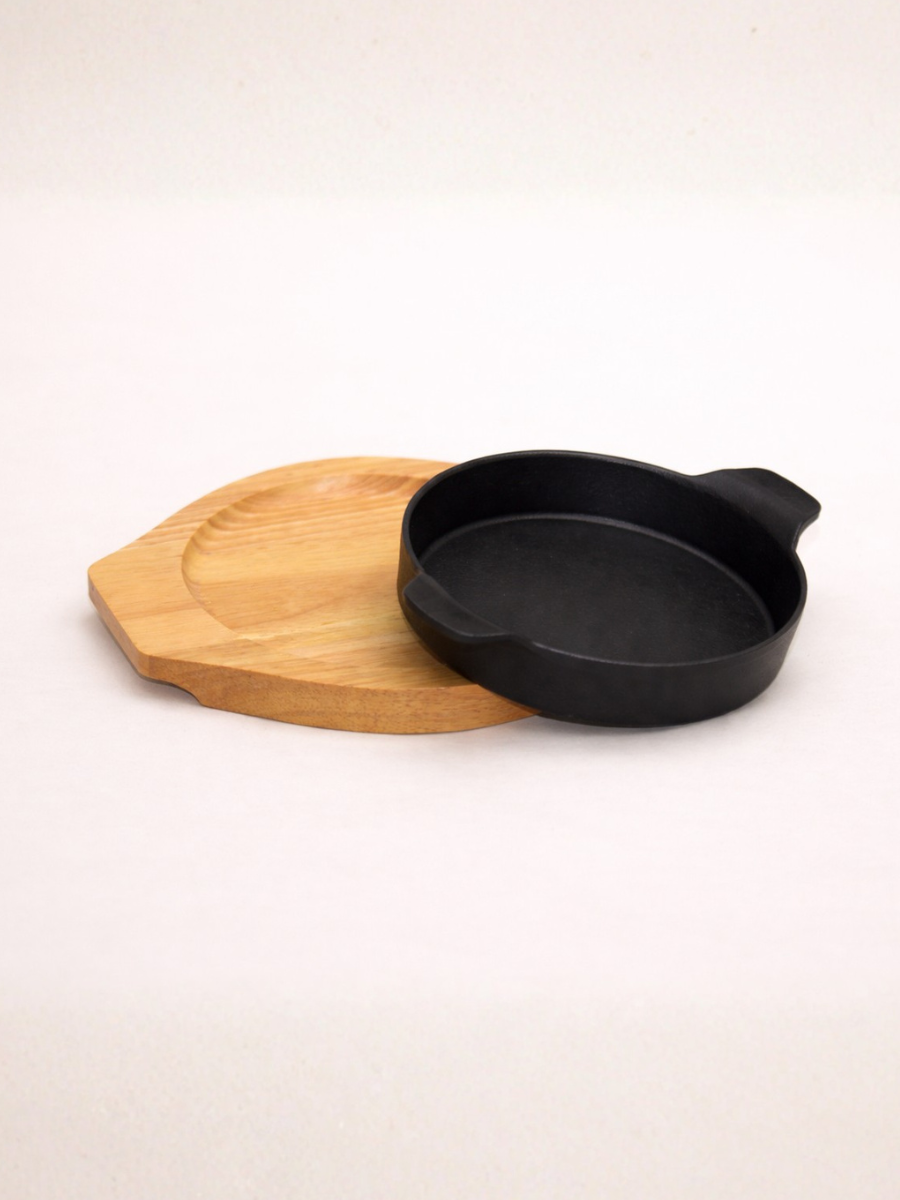
Cast iron's heat retention makes it perfect for recipes that need a good sear, crisp edges, or even cooking. Here are a few simple ones to try — all of which work beautifully in WrapArts' cast iron pans, including the compact mini sizzler pan for individual portions.
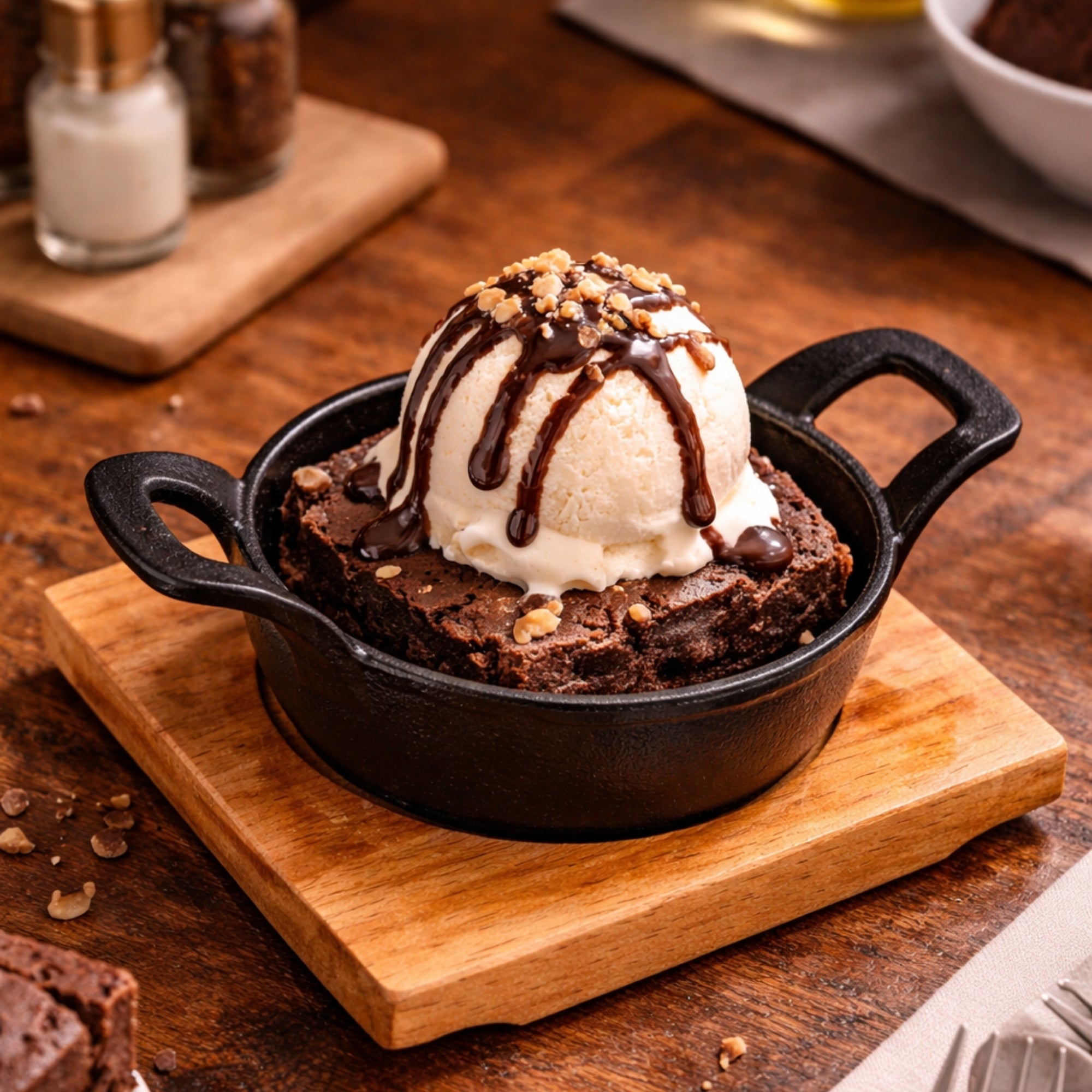
1. Mini Sizzler Brownie with Ice Cream
Perfect for: Desserts with a wow factor — best made in a mini cast iron sizzler pan
Ingredients
1 ready-made or homemade brownie square
1 scoop vanilla ice cream
Chocolate sauce and chopped nuts for garnish
Method
Heat the mini cast-iron pan on the stovetop for 1–2 minutes until hot.
Place the brownie in the pan.
Top with a scoop of ice cream just before serving, drizzle chocolate sauce, and garnish with nuts.
Serve immediately — the contrast of the hot pan and melting ice cream creates the signature sizzle effect guests love.

2. Classic Sizzling Garlic Butter Mushrooms
Perfect for: Starters, quick weeknight sides, or an impressive table-side sizzle
Ingredients
200g button mushrooms, sliced
2 tbsp butter
3–4 garlic cloves, finely chopped
Salt, pepper, and a pinch of chilli flakes
Fresh parsley or coriander for garnish
Method
Heat the cast-iron pan on medium-high until it's very hot.
Add butter and let it melt and foam slightly.
Add garlic and sauté for 30 seconds until fragrant.
Toss in the mushrooms and cook for 4–5 minutes, stirring occasionally, until golden and the edges are crisp.
Season with salt, pepper, and chilli flakes. Garnish and serve sizzling hot — straight from the pan to the table.

3. Pan-Seared Paneer Steaks with Pepper Glaze
Perfect for: A vegetarian main that looks restaurant-style at home
Ingredients
250g paneer, cut into thick steaks
1 tbsp oil
1 tsp crushed black pepper
1 tbsp soy sauce
1 tsp honey
1 clove garlic, minced
Method
Heat oil in the cast-iron pan over medium-high heat.
Place paneer steaks in the pan and sear for 2–3 minutes per side until golden and slightly crisp.
In a small bowl, mix soy sauce, honey, garlic, and pepper.
Lower the heat, pour the glaze over the paneer, and toss gently for a minute until coated and slightly caramelised.
Serve hot, straight from the pan.


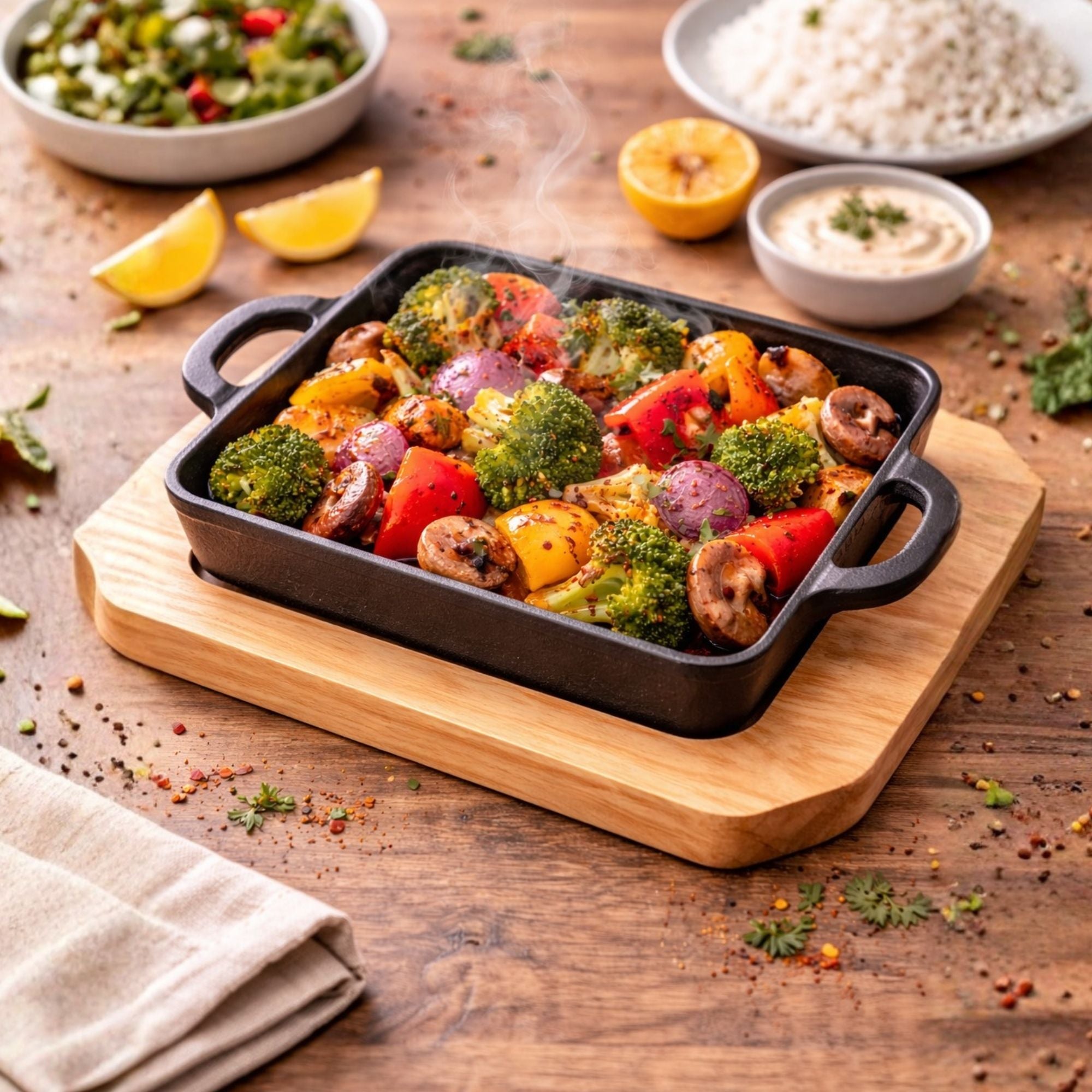
4. Garlic Roasted Vegetable Medley
Perfect for: A healthy, colourful side dish or light main — serves beautifully straight from oven to table
Ingredients
1 cup broccoli florets
1 cup baby potatoes, halved
1 bell pepper (red/yellow), chunked
6–8 button mushrooms, halved
2 tbsp olive oil
2 garlic cloves, minced
1 tsp paprika
Salt, pepper, and chilli flakes to taste
Fresh herbs and lemon wedges for serving
Method
Preheat the oven to 200°C and place the cast-iron baking pan inside to warm up.
In a bowl, toss all the vegetables with olive oil, garlic, paprika, salt, and pepper until evenly coated.
Carefully remove the hot pan, lightly grease it, and spread the vegetables in a single layer.
Roast for 20–25 minutes, tossing halfway, until the vegetables are charred at the edges and tender.
Garnish with fresh herbs, squeeze lemon over the top, and serve directly from the pan on its wooden board — pairs perfectly with rice and a tahini or yoghurt dip.

Frequently Asked Questions
Is cast iron safe for everyday cooking?
Yes. With basic care — cleaning, drying, and occasional re-oiling — cast iron is one of the safest and most durable materials for daily cooking, and it even adds trace amounts of dietary iron to food.
Can I use cast iron on an induction stove?
Yes, cast iron works well on induction, gas, and OTG ovens, making it one of the most versatile cookware options for Indian kitchens.
Why is my cast-iron pan sticky after seasoning?
This usually means too much oil was applied. Wipe off the excess and bake again at a slightly higher temperature for a smoother, drier finish.
How often should I re-season my pan?
For regular daily use, every 2–3 months is enough. If you notice food sticking more than usual or the surface looking dull and grey, it's time to re-season.
7 Wardrobe Storage Ideas to Maximize Space & Reduce Clutter
How To Style A Diwali Mithai Tray That Doesn't Look Store-Bought
Related Posts

The Complete Vastu Guide To Diwali: Diya, Sweets Tray & Lakshmi Idol Placement

How To Style A Diwali Mithai Tray That Doesn't Look Store-Bought

7 Wardrobe Storage Ideas to Maximize Space & Reduce Clutter

Ultimate Valentine's Day 2026 Love Playlist: Bollywood, South Indian & Hollywood Songs for Your Special Someone

50+ Positive Valentine's Day Quotes for Friends: Celebrate Friendship This February

20+ Pongal Kolam Designs Trending in 2026: Traditional & Modern Rangoli Patterns
