

Why Do We Light Diyas on Diwali? The Meaning of Light from South to North India
Every Diwali, millions of homes across India glow with tiny flames. But why do we light diyas, and what does light really mean in a festival celebrated so differently in Chennai, Mumbai, Kolkata and Delhi? This guide explains the stories, the symbolism and the regional traditions, and ends with a thoughtful way to share the warmth: Diwali tea sets for everyone on your gifting list.
Quick Answer: Why Do People Light Diyas on Diwali?
People light diyas on Diwali to celebrate the victory of light over darkness, knowledge over ignorance and good over evil. In North India the lamps recall Lord Rama’s return to Ayodhya, in South India they mark Krishna’s victory over Narakasura, and across the country they welcome Goddess Lakshmi. Whatever the story, the diya means the same thing: hope, wisdom and prosperity.

What Does “Deepavali” Mean?
The word comes from Sanskrit: deepa means lamp and avali means a row. Deepavali, shortened to Diwali in much of North India, literally means “a row of lamps”. That image of lamps lined along windows, doorsteps, courtyards and rooftops is the heart of the festival.
5 Reasons We Light Diyas on Diwali
1. To celebrate Lord Rama’s homecoming
According to the Ramayana, the people of Ayodhya lit rows of lamps to welcome Rama, Sita and Lakshmana home after fourteen years of exile and the defeat of Ravana. This is the most widely told reason in North and Central India.
2. To welcome Goddess Lakshmi
Diwali falls on the new-moon night (Amavasya) of the Hindu month of Kartik. Families clean and decorate their homes and light lamps so that Lakshmi, the goddess of wealth and wellbeing, finds a bright, welcoming entrance. Lakshmi Puja is the main ritual in many parts of India.
3. To remember the defeat of Narakasura
In South India, the festival centres on Krishna (with Satyabhama) defeating the demon Narakasura. The victory is celebrated before dawn on Naraka Chaturdashi with lamps, an oil bath and new clothes.
4. To honour other sacred stories
Sikhs observe Bandi Chhor Divas, marking the release of Guru Hargobind Ji, and the Golden Temple is lit with thousands of lamps. Jains remember the nirvana of Lord Mahavira on this night. Diwali is a shared festival with many layers.
5. To mark the turn of the season
Diwali arrives as the monsoon ends and the darker months of autumn and early winter begin. Lamps brighten the longer nights and signal a fresh start, closely tied to harvest, new accounts and new beginnings.
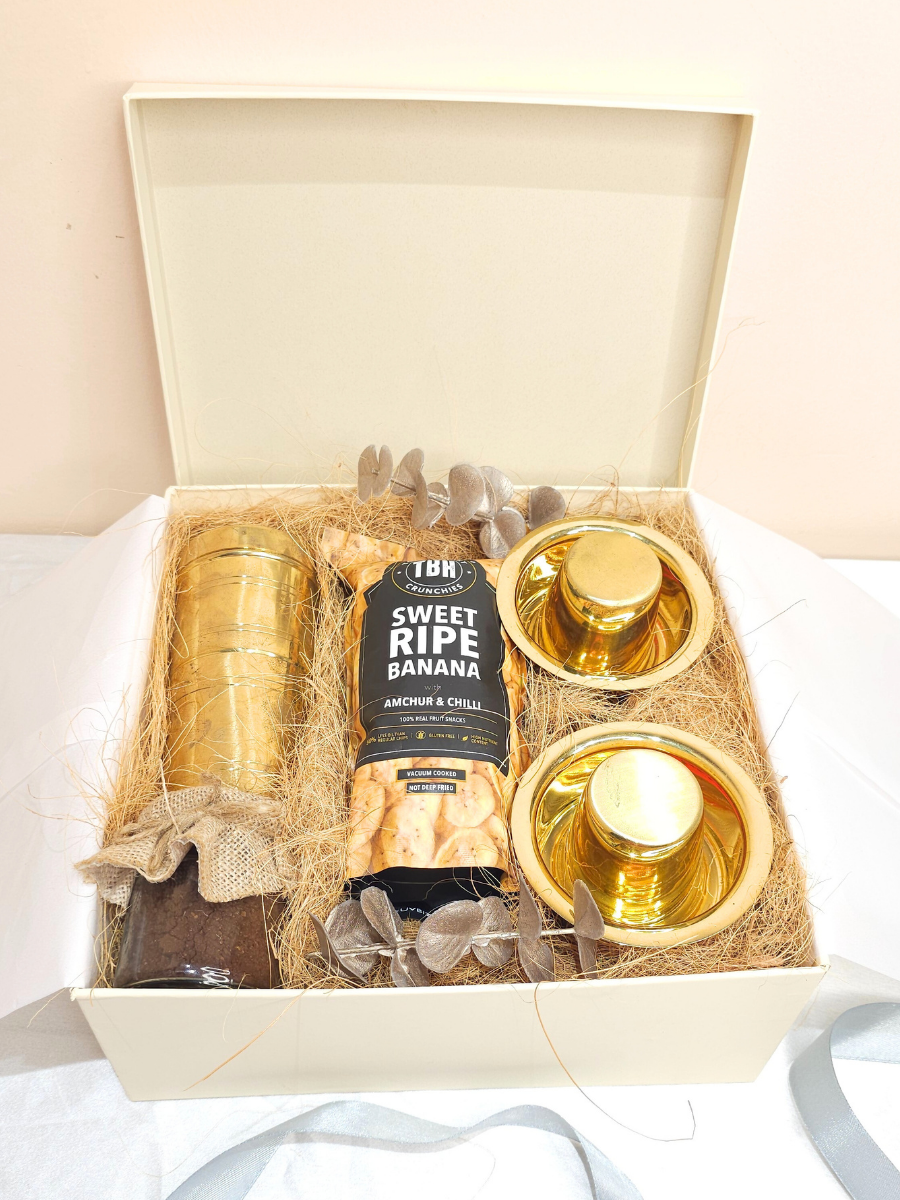
What Does Light Mean in Diwali?
Light in Diwali works on three levels at once:
-
Spiritual: The ancient prayer “Tamaso ma jyotirgamaya” (lead me from darkness to light) captures the festival’s core idea. The diya stands for the inner light, or atman, that outshines ignorance.
-
Moral: Good prevails over evil, truth over falsehood. Each lamp is a small reminder to choose kindness and honesty.
-
Social: Light is hospitality. Open doors, glowing doorsteps and shared sweets are ways of saying “you are welcome here”. This is why visiting and gifting are so central to Diwali.
Meaning of Light in Diwali: South to North India
Diwali is not celebrated the same way everywhere. Here is how the light is understood across regions, from the southern tip of the country to the north:
|
Region |
How Diwali is observed |
What the light stands for |
|---|---|---|
|
Tamil Nadu, Karnataka, Andhra Pradesh, Telangana |
Naraka Chaturdashi before sunrise: oil bath (Ganga snanam), new clothes, lamps, sweets and firecrackers |
Victory of good over evil (Krishna and Narakasura); purification and renewal |
|
Kerala |
Observed in many homes with lamps and sweets, though Onam is the bigger festival |
Quiet household prosperity and gratitude |
|
Maharashtra and Goa |
Vasu Baras, Dhanteras, abhyanga snan, Diwali Padwa; in Goa, Narakasura effigies are burnt |
Prosperity, family bonds and the end of evil |
|
Gujarat and Rajasthan |
Chopda Pujan (worship of account books), Gujarati New Year (Bestu Varas), rangoli and lamp-lit havelis |
Fresh business beginnings and the blessing of Lakshmi |
|
West Bengal, Odisha and Assam |
Kali Puja on the new-moon night; in Odisha, Kauriya Kathi honours ancestors with jute stalks and lamps |
Power over darkness; remembrance of ancestors |
|
Punjab |
Bandi Chhor Divas: Golden Temple lit with lamps, kirtan and community meals |
Freedom, justice and faith |
|
Uttar Pradesh, Delhi, Bihar and the Hindi belt |
Lakshmi-Ganesh Puja, rows of diyas and the grand Ayodhya Deepotsav; Govardhan Puja and Bhai Dooj follow |
Rama’s return, the triumph of dharma and a joyful reunion |
Different stories, one flame. From a Chennai doorstep to a Delhi balcony, the diya says the same thing: darkness does not last.
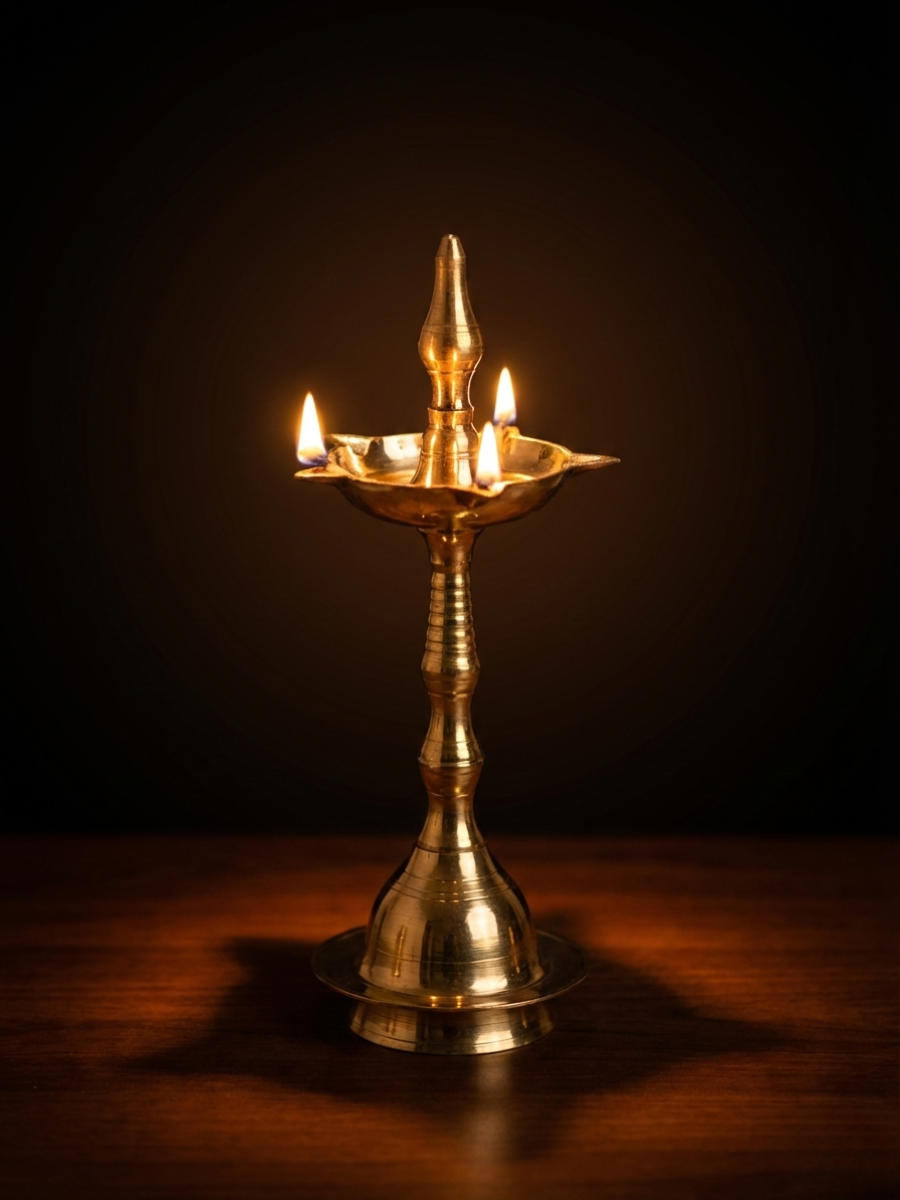
How to Light Diyas the Traditional Way
-
Clean the home and wash the entrance before dusk; many families draw rangoli at the door.
-
Use clay (mitti) diyas or brass lamps with cotton wicks, filled with ghee, sesame oil or mustard oil according to your family tradition.
-
Light the first lamp in the puja room, then place others at the main door, windows, balcony, kitchen and near the tulsi plant.
-
Keep lamps away from curtains and children, place them on stable trays and never leave them unattended.
Share the Light: Why a Tea Set Makes a Perfect Diwali Gift
If the diya is how we welcome light into our homes, a gift is how we carry that warmth to the people we care about. And few things say “come in, sit down, stay a while” like a pot of tea.
Diwali is a season of visits. Relatives drop in, friends stop by with sweets, colleagues exchange greetings and clients are remembered. In nearly every one of those meetings, someone puts the kettle on. A beautiful tea set is therefore a gift that gets used, admired and remembered, long after the festive lights are packed away.
Why tea sets work so well as Diwali gifts:
-
Useful and elegant: Something people actually use, not something that sits in a cupboard.
-
Culturally apt: Tea is the heart of Indian hospitality, and Diwali is the festival of hospitality.
-
Works for every relationship: From parents to clients, with options at every budget.
-
Gift-ready: Pairs beautifully with sweets, dry fruits, tea blends and a small diya.

Diwali Tea Set Gift Guide: For Family, Friends, Office and Clients
|
Who is it for? |
What to gift |
Why it works |
|---|---|---|
|
Parents and grandparents |
Classic full tea set with teapot, cups, saucers and serving tray |
Timeless, traditional and perfect for hosting festive guests |
|
In-laws and elders |
Elegant tea set in a presentation box with sweets or dry fruits |
Respectful, graceful and suited to formal Diwali visits |
|
Spouse or newlyweds |
Cup-and-saucer duo or couple’s tea set |
Romantic, practical and ideal for a first Diwali together |
|
Friends who love tea |
Stylish mug set, teapot with infuser or a modern cup set |
Fun, personal and made for lazy festive evenings |
|
Siblings and cousins |
Compact tea set or a set of two to four mugs |
Affordable, cheerful and easy to wrap |
|
Office colleagues and team |
Mug set or single cup-and-saucer set in gift packaging |
Neutral, appreciated and budget-friendly for bulk gifting |
|
Clients, vendors and partners |
Premium tea set or tea hamper in a branded or customised gift box |
Professional, memorable and a lasting reminder of your brand |
|
New home or housewarming |
Complete tea set with tray |
A gift that blesses a new kitchen and welcomes the first guests |
How to Choose the Perfect Diwali Tea Set
-
Know the recipient: Traditional homes love classic, ornate designs. Modern homes and offices lean towards clean, minimal sets.
-
Match the quantity: Sets of two suit couples, sets of four to six suit families and hosts.
-
Think about presentation: A gift box, tray or ribbon turns a tea set into a festive hamper.
-
Add a festive touch: Pair with a tea blend, dry fruits, sweets or a decorative diya.
-
Order early for bulk or corporate gifting: Customisation and large orders need extra lead time during Diwali.
Design and presentation may vary based on product availability. For customisation preferences, please mention during order inquiry. We maintain high-quality standards across all products.
Shop Diwali Tea Sets and Gifts at WrapArts
At WrapArts, we create premium gifting and home décor pieces that make every celebration feel special. Explore our collections and find a gift for every name on your Diwali list:
-
Shop Diwali tea sets: for tea lovers, families and hosts
-
Explore Diwali gifts: curated festive gifting for friends and family
-
Corporate Diwali gifting: elegant options for office teams, clients and vendors
Frequently Asked Questions
Why do people light diyas on Diwali?
People light diyas on Diwali to celebrate the victory of light over darkness, knowledge over ignorance and good over evil. The lamp also welcomes Goddess Lakshmi into a clean, bright home, and recalls stories such as Lord Rama’s return to Ayodhya and Krishna’s victory over Narakasura.
What does light mean in Diwali?
In Diwali, light symbolises hope, wisdom, prosperity and the inner self (atman). A lit diya stands for driving out ignorance, negativity and sorrow, and for starting a new year with clarity and goodwill towards family, neighbours and guests.
Why is Diwali celebrated differently in South India and North India?
Regional legends shape the celebration. North India highlights Lord Rama’s return to Ayodhya and Lakshmi Puja, while South India (Tamil Nadu, Karnataka, Andhra Pradesh, Telangana) highlights Krishna’s victory over Narakasura with a pre-dawn oil bath on Naraka Chaturdashi. The shared thread everywhere is the lamp: light triumphing over darkness.
Why is Diwali called the festival of lights?
The name comes from Sanskrit “Deepavali”, meaning a row (avali) of lamps (deepa). Homes, temples, streets and markets are lined with rows of diyas, so the festival is known as the festival of lights.
Which oil or ghee is best for lighting a diya?
Pure cow ghee and sesame (til) oil are traditionally preferred for puja diyas, while mustard oil is common in many North Indian homes. Use a cotton wick, keep the diya on a steady plate or tray, and never leave a lit lamp unattended.
How many diyas should I light on Diwali?
There is no single fixed number. Many families light odd numbers such as 5, 11, 21 or 51, placing them at the main entrance, in the puja room, near the tulsi plant and along windows and balconies. Follow your family or community tradition.
Is a tea set a good Diwali gift?
Yes. A tea set suits Diwali because the festival is about visiting, sharing and hospitality, and tea is how Indian homes welcome guests. It is useful, elegant, suitable for every age and budget, and works for family, friends, colleagues and clients.
What are the best Diwali gifts for tea lovers?
Tea lovers will enjoy a complete tea set with cups, saucers and a teapot, a cup-and-saucer duo for couples, a mug set for daily chai, or a gift box that pairs a tea set with tea blends, dry fruits or sweets. A set with a tray adds a premium serving touch.
What Diwali gift is suitable for office colleagues and clients?
Pick something elegant, useful and neutral: a premium tea set in a gift box, a mug or cup-and-saucer set for colleagues, and a larger hamper-style tea set for clients and vendors. Corporate gifting also suits customisation, so mention your preference when you place the order.
Where can I buy tea sets for Diwali gifting online in India?
You can explore WrapArts’ Diwali tea set and gifting collection at wraparts.in. WrapArts is a Bengaluru-based premium gifting and home décor brand with options for family, friends, office and corporate gifting.
Let Your Light Reach Others
Whether you light a single diya in Madurai or a thousand in Ayodhya, Diwali asks the same thing of us: to push back the dark with something small, steady and shared. This year, let that light travel beyond your own doorstep. Gift someone a moment of warmth, a pot of tea and a reason to sit together. Explore WrapArts Diwali tea sets and make every Diwali visit a little brighter.
Wishing you and your family a very Happy Diwali.
Related Posts

Diwali Gift Ideas for Sister & Her Family: Thoughtful Gifts They’ll Love

Diwali Gift Ideas for Mom: Thoughtful Gifts She’ll Love, Delivered Across India

Top 10 Navratri Songs for Dancing (Plus Return Gifts Your Guests Will Love)

Navratri Wishes 2026: 80 Wishes, Handcrafted Gifts & Ready-to-Use Prompts

Golu, Bommala Koluvu & Gombe Habba: Navratri Traditions and Golu Return Gift Ideas for 2026

How to Order Pregnancy Announcement Gifts from Abroad to Surprise Your Parents in India (Ordering Guide)
